


Invisalign in Woodend
Clear aligners designed for everyday life
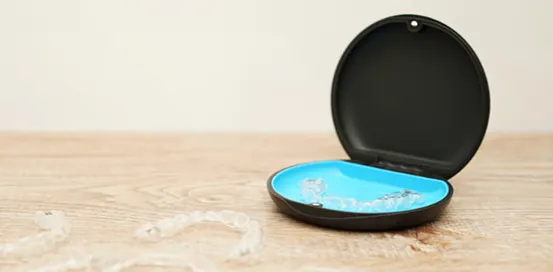
At Woodend Dental, we provide Invisalign in the Macedon Ranges for the local community. Invisalign is a system of clear, removable aligners that can be taken out for eating and cleaning. The aligners are designed to gradually move teeth into different positions and may be considered as an alternative to fixed braces in some cases. Best of all, you don’t need to travel far to access it, because it’s available right here in the Macedon Ranges at Woodend Dental.
We offer Invisalign alongside other teeth-straightening options. A consultation is a chance to ask questions, learn what’s involved, and find out whether this type of treatment may suit your needs.
Why a proper bite matters
For your teeth to work well, the upper and lower rows should meet evenly when you bite together. Dentists call this an “occlusion.” When they don’t line up properly, it’s known as a “malocclusion” or a “bad bite.”
This can cause a range of issues, from uneven wear on teeth to difficulties with chewing.
A poorly aligned bite can make it harder to break food down properly, which may lead to avoiding certain foods. In more severe cases, this can even affect overall nutrition. Correcting the bite helps restore comfort and function, so eating a variety of foods feels easier again.
When teeth are positioned correctly, your bite works as it should, which makes everyday tasks like chewing more comfortable and efficient.
Considering Invisalign in Woodend?
Orthodontic treatment may be considered when teeth and jaws do not meet in their ideal positions. In some cases, this can contribute to difficulties with chewing or speech, jaw strain, or uneven wear of teeth. Invisalign uses clear, removable aligners to gradually move teeth, and may be an option for certain orthodontic concerns.
Invisalign is sometimes considered as an alternative to fixed braces for certain orthodontic issues, including:
- Crowding: When there isn’t enough room in the jaw, teeth overlap or become crooked.
- Spacing: Extra room in the jaw leaves visible gaps between teeth.
- Protruding front teeth: Teeth that extend too far forward may affect the way your bite works and are more vulnerable to injury.
- Crossbite: When the upper and lower teeth don’t line up properly, with some sitting too close to the cheek or tongue compared to their opposite tooth.
- Underbite: When the lower teeth or jaw sit forward and overlap the upper teeth.
- Overbite: When the upper teeth extend too far over the lower teeth.

Your roadmap to straighter teeth with Invisalign
Invisalign (sometimes called clear or invisible braces) is a treatment that uses a series of custom-made, removable aligners to gradually move teeth into different positions. Over time, this process can be used to address mild to moderate spacing, crowding, or bite issues. Suitability depends on individual oral health and the complexity of tooth movement required, and in some cases fixed braces may be recommended instead.
The length of treatment can differ for each person, yet the journey itself follows a familiar path:
Digital scan
We begin with a 3D digital scan of your teeth. This creates a digital model of your mouth that can be used to plan treatment. Instead of using traditional impressions, the scan provides images within minutes and helps your dentist explain how aligners may be used in your case. In some situations, simulation software can also provide an illustration of possible tooth movements during treatment, though actual outcomes may vary.
Custom aligners are created
Using your digital scan, a series of clear aligners is manufactured to follow a treatment plan prescribed by your dentist. Each set is worn in sequence to gradually move teeth into new positions. The aligners are made from clear plastic and are removable for eating and cleaning.
Progress checks
Aligners are usually changed at intervals of one to two weeks, with each new set designed to gradually adjust tooth position. You’ll also return to our Woodend clinic at regular intervals so your dentist can review your progress and confirm whether treatment is tracking as expected. These visits are an important part of monitoring your oral health and making any necessary adjustments.
Wear your retainer
Once your teeth have moved into their new positions, retainers are recommended to help keep them there. Wearing them as advised helps protect the work you’ve done and ensures your teeth stay aligned in the long run.
Possible risks and limitations
Like all orthodontic treatments, Invisalign carries some risks. These can include temporary discomfort when teeth begin to move, speech changes while adjusting to the aligners, or the possibility of lost or broken aligners. In some cases, treatment may take longer than expected or require additional adjustments. Learn more.
Is Invisalign always an option?

Invisalign is a versatile treatment, but it isn’t suitable for every case. Invisalign may not be recommended if:
- The case is complex: Significant underbites or overbites may require more specialised orthodontic care.
- Large adjustments are needed: Teeth that need major repositioning are sometimes better treated with fixed braces.
- The patient is too young: Invisalign is generally more suitable for adults once most permanent teeth have come through.
- The aligners aren’t worn consistently: Because they are removable, Invisalign must be worn for 20–22 hours a day to work properly. Patients who find this difficult may not see the expected results.
- Jaw alignment issues are present: If the position of the jaw needs correction, Invisalign alone may not be enough.
At Woodend Dental, we’ll assess your teeth and bite carefully before recommending treatment. If Invisalign isn’t the right choice, we’ll discuss alternative orthodontic solutions, so you can make an informed decision.
Looking for clear aligners in Macedon Ranges?
From crowded teeth to unwanted gaps, today’s treatments make it easier than ever to achieve a healthier bite and straighter smile, all without the inconvenience of travelling to Melbourne.
If you are interested in teeth straightening, Invisalign and other orthodontic options are available at our Woodend clinic. A consultation provides an opportunity to discuss whether this treatment may be suitable for you.
FAQs
Is Invisalign comfortable?
Invisalign aligners are made from smooth plastic and do not have brackets or wires, which may reduce the chance of irritation compared with fixed braces. Some patients notice pressure or tenderness when starting a new set of aligners. This is a normal part of the process, as the aligners are designed to gradually move teeth. These sensations vary between individuals and your dentist will discuss what to expect before treatment begins. Because the aligners are removable, they can be taken out for eating and cleaning.
How long does Invisalign treatment take?
The length of treatment depends on the complexity of your case and how consistently you wear your aligners. Some patients may see results in several months, while others require longer. On average, treatment can last between 12 and 18 months, but we will provide a clearer timeline after your digital scan and treatment plan.
Can I eat and drink with Invisalign?
You’ll need to remove your clear aligners when eating or drinking anything other than water. This prevents staining or damaging the aligners and ensures they maintain their snug fit. Once you’ve finished eating, it’s best to brush your teeth before putting the aligners back in. Because they’re removable, you can continue to enjoy your normal diet without the restrictions that come with traditional braces.
Is Invisalign suitable for everyone?
Invisalign can address many common alignment issues, such as crowding, spacing, or mild bite problems. However, it may not be the best option for more complex cases. At your consultation, we’ll assess your bite and discuss whether Invisalign is appropriate, or if another treatment may be more suitable.